
Traditional Madeira Food: What to Eat on the Island
Trying different foods is one of the best parts of travelling. Madeira is no exception. In fact, traditional food is your gateway to understand local culture and even history.
The island’s cuisine is deceptively simple. It focus on simple ingredients that are available all year round thanks to the mild climate, and heavily relies on “new world” ingredients such as sweet potato, corn, chili peppers, avocado, and passion fruit.
Here are some traditional Madeira foods and drinks that you must try during your trip!
Madeira Bread and Starters
Bolo do Caco
Bolo do caco is Madeira’s iconic bread. This soft flatbread with sweet potato was traditionally cooked on a hot basalt stone (“a caco”), which gives it its name.
It is usually served warm with garlic butter and parsley, but it also appears in sandwiches filled with steak, tuna or pork. You can find it at almost any restaurant, although it’s famous at O Polar and O Lagar in Câmara de Lobos. I also recommend the bolo do caco stand at Santo da Serra.
Lapas
Lapas are limpets collected from Madeira’s rocky coastline. They are typically grilled with garlic, butter and lemon and served sizzling in a hot pan.
This seafood starter is extremely popular in coastal restaurants and is usually eaten with pieces of bread to soak up the sauce. However, you should know fishing limpets has been forbidden for a few months now. So, this year, most limpets here actually come from the Azores.
Lupins, Olives, Peanuts
For us, Portuguese people, lupins don’t even register as anything worth mentioning. It wasn’t until a couple of American friends, who had never tasted them, that I noticed it could be “exotic”.
In Madeira, drinks often come with a side (“dentinho”), which is usually seasoned lupins, olives, or peanuts. Sometimes, they’re even spicy! If you’re always served peanuts, look for a little bags of lupins at the supermarket – just make sure they are temperados.
Sopa de Tomate e Cebola
Portuguese cuisine is big on soups, but in Madeira you won’t find the traditional caldo verde o vegetable purées. Instead, soups here tend to be much heartier.
My favourite is the tomato soup, made with onions, garlic and poached egg. It’s frequently found in traditional cafés, including some that I recommended in my previous article cheap eats in Funchal. Bela 5 always has it on the menu and it’s pretty good.
Sopa de Trigo
Another hearty soup is “sopa de trigo”, a rustic dish made with wheat, vegetables and pork, and sometimes beans and sweet potato too. It’s actually not too dissimilar from the farro soup you’ll find in Tuscany.
Sopa de trigo was usually a whole meal for farm workers in the North of the island. These days you can find it all over, but it’s especially popular in the wintertime. There’s always a sopa de trigo stand in the mockup village at the Christmas Market.
Canja
Every country has its own version of chicken soup. In Portugal, it’s canja. However, Madeirans sometimes cook it with rice (in the mainland, pasta is used instead) and they serve it in mugs. O Abrigo do Pastorserves it like this all year around.
Seafood and Fish Dishes in Madeira
Filete de Espada
Black scabbardfish is one of Madeira’s most distinctive ingredients. It can either be grilled (espada grelhado) ou fried with a little tempura (espada frito), served with fries, boiled potatoes or vegetables.
Some restaurants serve scabbardfish with fried banana or variations with passion fruit sauce. However, I must warn you this is a tourist trap – no Madeiran cooks like this at home.
Atum em Molho Vilão
Because tuna is abundant in the surrounding Atlantic waters, it is one of the most common fish dishes in local restaurants. It’s served in a number of ways, including tuna steak (bife de atum), grilled with garlic and herbs, or with molho vilão/ vilhão.
This sauce uses onions, garlic, laurel, summer savoury, oregano, paprika, olive oil and vinegar in copious amounts. It covers the whole tuna, which is then served with potatoes or milho frito. You can find this and other fish in molho vilão, such as cavala (mackerel), in daily specials.
Polvo
Octopus (polvo) is frequently served boiled and grilled across Madeira and Porto Santo. It is usually accompanied by potatoes and seasoned with olive oil and garlic (“polvo à lagareiro”).
In Madeira, you can try polvo in A Tendinha (as daily special), Taberna Madeira, or at Só Espeto (Gaula, Santa Cruz). In Porto Santo, I recommend O Torres and Teodorico, plus the octopus sandwich at Bar do Henrique.
Fragateira
Fragateira is a traditional fish stew made with several types of fish, limps, tomatoes, onions and herbs. It reflects Madeira’s strong fishing heritage. It’s hard to come by this stew in Funchal, but you’ll see it in other parts of the island. I recommend A Pipa in Porto da Cruz.
Traditional Meat Dishes in Madeira
Picado
Picado is a popular snack-bar dish. Small pieces of beef are cooked in gravy and served with a generous portion of fries. It’s usually shared between friends, so you can order small, medium or a larger size.
Most picados use beef, but there are variations with chicken, pork, and even octopus or fried scabbard fish. Popular picado spots include Beer Garden in Funchal (I only recommend the traditional beef version), O Polar in Câmara de Lobos, O Faísca in Ribeiro Frio, and Adega do Pomar in Camacha.
Espetada
Madeiran’s favourite Madeiran dish. Espetada consists in large meat skewers seasoned with garlic and grilled on a laurel stick. This is what people cook on the outdoor barbecues you see on most picnic areas.
Espetada is usually served with milho frito, bolo do caco, and salad. Most restaurants these days use metal skewers due to food safety rules, including the famous Talho do Caniço and O Polar in Câmara de Lobos, both known for their tender meats.
Carne de Vinha d’Alhos
This traditional pork dish is marinated for several days in white wine, vinegar, garlic and bay leaf. It has a strong smell and an acidic taste, so it’s quite distinctive from other dishes. It is also, surprise, surprise, Madeira’s traditional Christmas dishes.
Around Christmas time, you can find “sandes de carne de vinha d’alhos” in most snack-bars in the old town. It’s also sold at several food stands during Noite do Mercado (December 23rd). During the rest of the year, keep an eye out for “há sandes de vinha d’alhos”. Outside of the city centre, try Bar Os Castrinhos in Funchal.
Side Dishes
Milho Frito
Milho frito is one of foods you must try in Madeira. It’s fried cornmeal – almost like fried polenta, but better. The cornmeal is cooked with herbs and then deep fried, resulting in a crispy outside and a soft, savoury inside. It goes perfectly with grilled fish.
Desserts and Sweet Treats
Bolo de Mel
Bolo de mel is Madeira’s traditional molasses cake. It is made with sugar cane molasses, spices and nuts and has a dense, rich flavour. The cake is traditionally prepared around Christmas and New Year, but can be found throughout the year.
You can buy bolo de mel at Fábrica de Sto. António or Chábom (only during Christmastime). Alternatively, you can find bolo de mel from Ilhopan in all supermarkets.
Broas de Mel de Cana
These traditional biscuits are made with sugar cane molasses and spices and, like bolo de mel, are often prepared during the Christmas season. You can find the freshest ones at Fábrica de Sto. António. Besides the traditional broas de mel, I also recommend their Beijinhos de Avelã (hazelnut cookies), lemon cookies, and ginger cookies.
Queijadas da Madeira
These small pastries are made with fresh cottage cheese (requeijão), sugar and eggs. They are commonly found in bakeries and markets across the island. The best ones come from Miminho (two locations, one in Ribeira Brava and another in Funchal). Alternatively, Sésamo (three locations) also offers a good enough version.
Bolo Preto
Bolo preto (or bolo família, if it has raisins and dried fruit) is a traditional cake made with molasses, stout beer, Madeira wine, and spices. Unlike bolo de mel, which is dry, this one is fluffy and moist. You can usually find it at smaller, family run supermarkets, as well as at Santo da Serra.
Bolo Philadelphia
Most Madeirans don’t realise this cake doesn’t exist anywhere else (or at least, I haven’t found it.). It’s a chocolate cake covered with a layer of philadelphia cheese mixed with shredded coconut. You can find this is basically every café, bakery or supermarket on the island.
Tropical Fruit in Madeira
Why eat sugar when you have Nature’s best desserts all around?
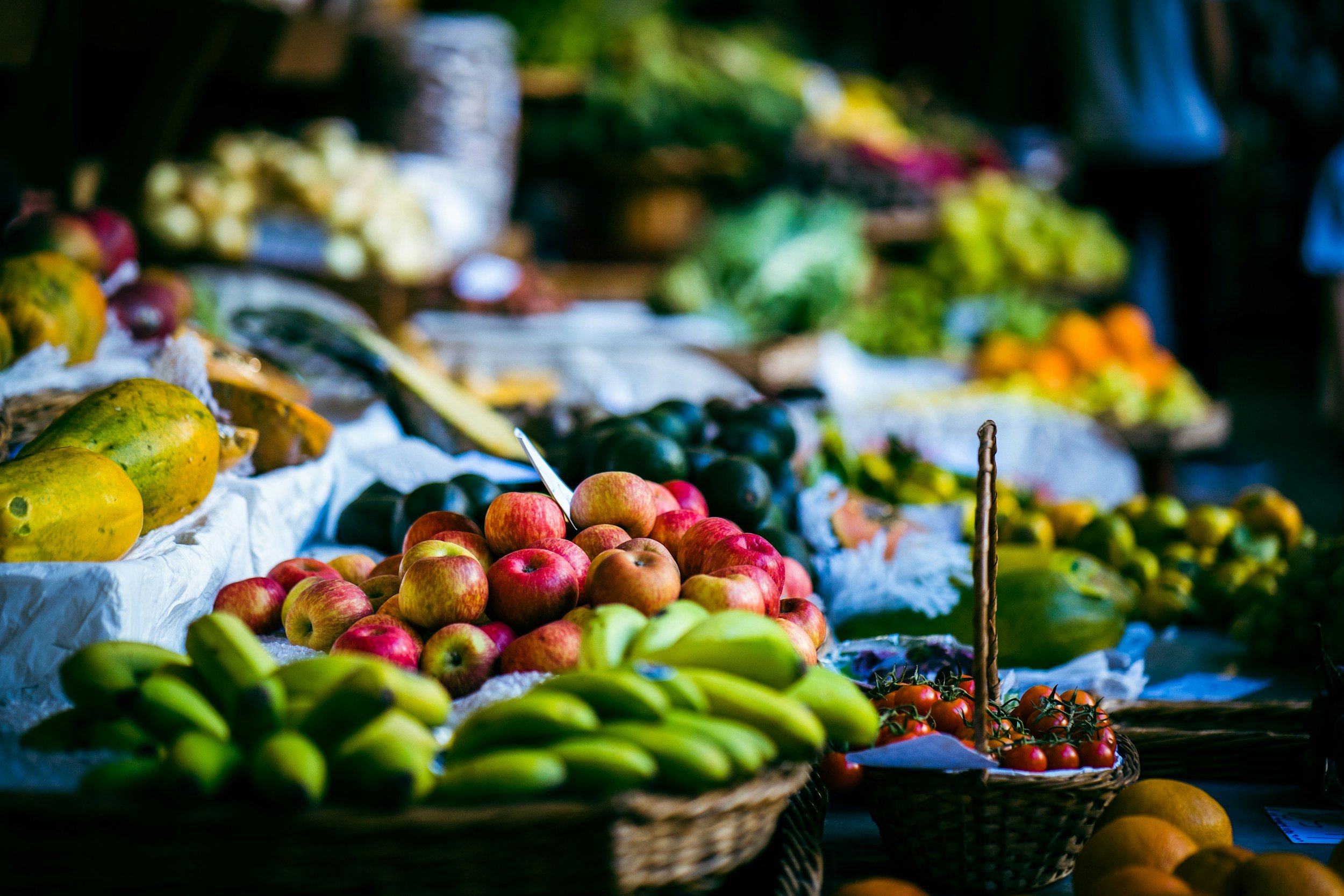
Apart from the famous Madeira bananas, you have other types of banana (apple banana, for example), passion fruit, mango, custard apple (anona) and many more tropical fruits. Every month, I let you know what’s in season so that you can look for the freshest ones.
Drinks
Brisa Maracujá
Brisa Maracujá was the world’s first passion fruit soda, and to me it is the taste of Madeira. Refreshing, acidic just in the right amount, and perfect to counter the fatness of a rich, buttery bolo do caco or fries.
Madeira Wine
Madeira wine is the island’s most famous export abroad. This fortified wine ranges from dry to very sweet depending on the grape variety and is known for its distinctive oxidised flavour. It’s taken as a digestive, not a table wine, so you should have it at the end of your meal.
Poncha
Poncha is Madeira’s most famous drink. It is made with sugar cane rum, honey and citrus juice and originated in the fishing village of Câmara de Lobos. Many bars now serve variations with passion fruit or other tropical flavours. I have previously dedicated a whole other article to poncha.
Nikita
A surprisingly popular drink on the island, Nikita is a sweet cocktail made with beer, pineapple juice and vanilla ice cream. It is often served in beach bars and summer terraces. The first time I saw it I was appalled, but you only live once!
Pé de Cabra
I think we’re seeing a recurring theme now in Câmara de Lobos. Pé de Cabra (literally, “crowbar”) is another cocktail that hails from this village, albeit from the mountainous areas. It consists of dry Madeira win, stout beer, sugar, chocolate powder, and lemon zest.
Madeiran cuisine is not elaborate. The key are fresh ingredients. You have fresh fish from the Atlantic, grass-fed animals from the mountains, bread enriched with sweet potatoes due to the lack of flour, plenty of herbs and spices. And fruit, lots of fruit!