
Madeirans in Hawaii: The Legacy of the Sugar Fields
By 1910, 11.6% of Hawaii’s population was Portuguese. They hailed mainly from Madeira, the Azores and Cape Verde (which was then a Portuguese colony, and thus counted as Portuguese). And their presence left a mark. The fingerprints of Madeirans in Hawaii are everywhere: surnames, traditions that persevered, local food, and, of course, DNA.
Why did Madeirans go to Hawaii?
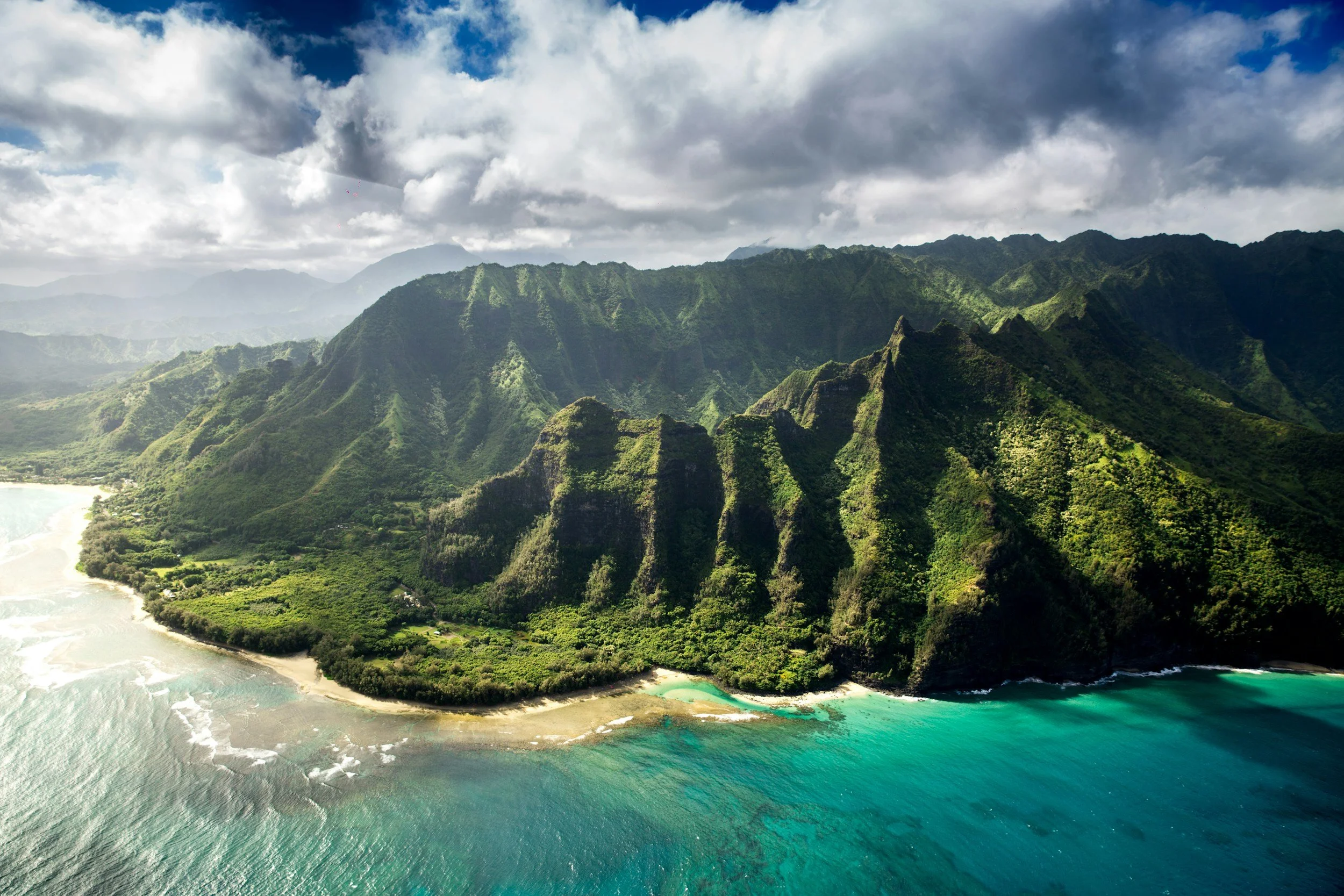
On the 30th of September of 1878, the ship Priscilla arrived with a group of Portuguese migrants from Madeira. That voyage is usually treated as the start of mass Portuguese migration to the islands, and it wasn’t random. It was organised recruitment: plantation owners and local government wanted to recruit workers of European descent.
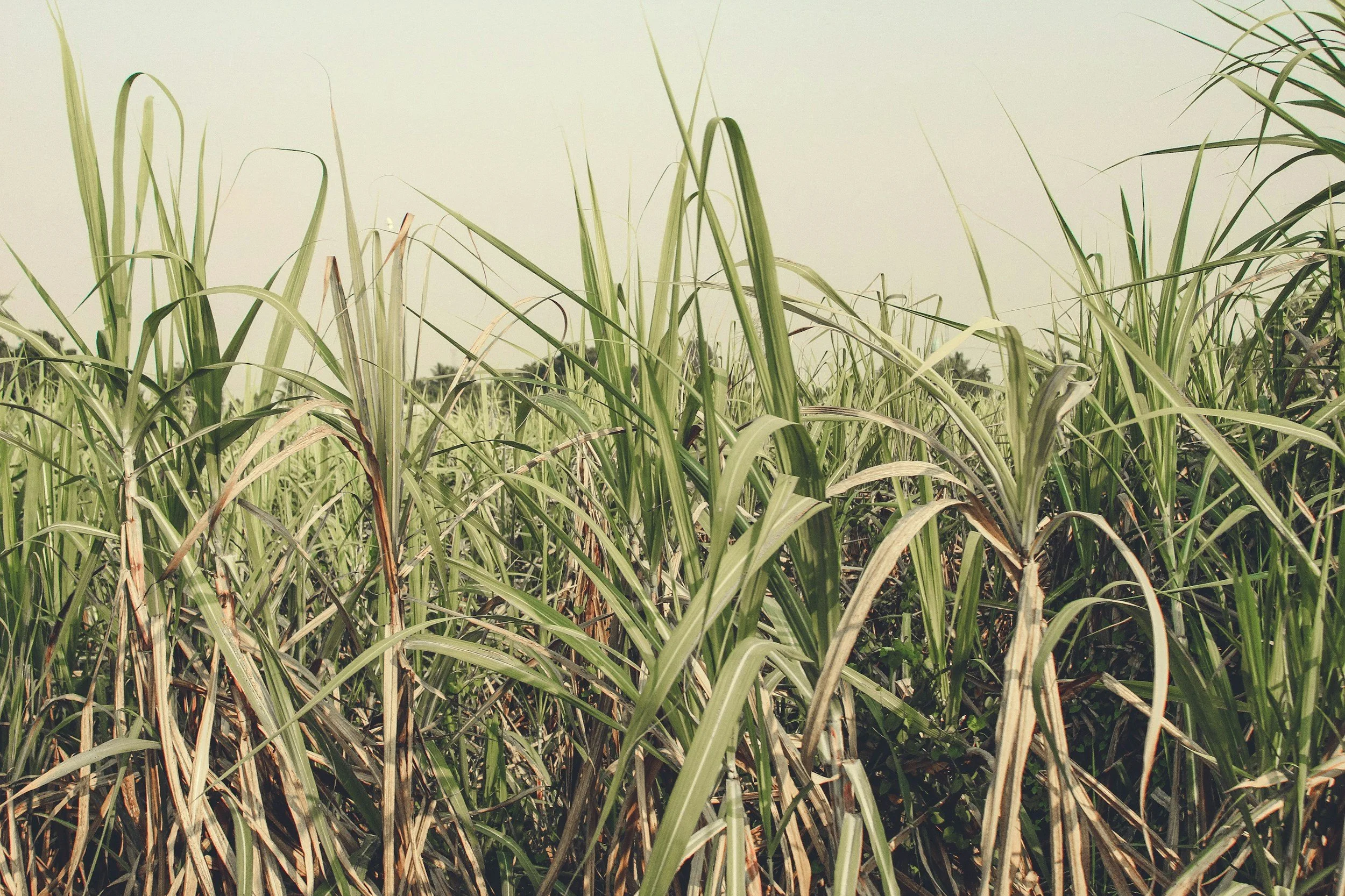
At that time, Hawaii’s sugar industry was in need of labourers. The Native Hawaiian population had been devastated by diseases. Chinese workers were brought on, and made up almost 10% of the population in 1878. However, they consisted mostly of single men who’d return home, back to California or Honolulu at the end of their contracts.
Besides, these men were often accused of gambling, prostitution, and opium use by other groups. King Kalakaua then decided to often incentives to non-Asian groups, preferably those of European descent, to work on cane fields. But who would be up to the task? Who would accept such conditions and adapt to living in the relative isolation of the Hawaiian island?
A Portuguese settler suggested migrants from Madeira and the Azores, because they already knew sugar work. At the same time, Madeirans were in a dire situation. The island’s sugar rush era was long gone. And wine, who had replaced it, was affected by two consecutive plagues. In 1877, production was at its lowest.
So, it wasn’t just that they knew sugar work. They were also desperate, poor, mostly illiterate (85.6% of Madeirans didn’t know how to read or write in 1890), and used to living on islands.
What did Madeirans do in Hawaii?
The voyage to Hawaii was arduous and perilous. The Madeirans travelled by boat for 3 to 4 months in cramped quarters. The unsanitary conditions meant illnesses would often become rampant on board, and there were several outbreaks of smallpox. In more than one voyage, several children passed away.
Once in Hawaii, they were subjected to indenture-style contracts, working 10 hours, 6 days a week, for a minimum of three years. It wasn’t until Hawaii joined the US that the courts abolished this contract system and workers could leave at any time. Plantations should provide housing and minimum assistance.
The work at the sugar plantations was backbreaking, low-status, and tightly controlled. In fact, workers could be punished for a “breach” of contract if they missed work or tried to find a better position. Some contemporary authors put it just one step above slavery.
Portuguese workers were also considered “caucasian, but not white”. This meant there were paid less than whites, yet still remained higher on the plantation hierarchy than other groups. These racial lines were a tactic to prevent workers from joining forces and rebelling.
Another tactic was to house workers according to their ethnic groups. Portuguese families were housed together at camps, where they were free to bake their own bread and cook their traditional food. Obviously, housing conditions varied, but most only had dirt floors that turned into mud.
How did Madeiran Traditions Survive in Hawaii?
Many Portuguese came as families, not just single men. Families were seen as more likely to stay put, to build a community, and to settle into plantation life rather than treat the contract as a temporary stint. For plantation owners, stability was a form of control: fewer people returning to their countries or jumping ship to other work.
For the migrants themselves, family migration also created something durable. Most immigrants could not read or write, but their traditions survived through oral history. There was a strong sense of community where religious rites, food, festivities and folklore survived.
Portuguese families were also quite big. Families had 4 to 12 children, which means the community continued to prosper for generations. And while many left for California due to Hawaii’s poor working conditions, the population remained high in the early 20th century.
Later on, because of the high intermarriage rate between the Portuguese and other ethnic groups, including natives, their traditions became woven into the fabric of Hawaii.
The origin of the malasadas
That’s why Hawaii has malasadas, sweet bread, and ukeleles. Malasadas, for example, are unique to Madeira and the Azores. The closest food cousin on the mainland are sonhos, traditionally eaten during Christmas time. But fried malasadas are eaten with sugar for Carnaval (Fat Tuesday/ Mardi Gras), right before Lent.
So, if Hawaii has malasadas today, it’s because migrants kept both their food and religious traditions. Of course, it helped that they could find all the ingredients in Hawaii!
The Ukelele is related to the Rajão
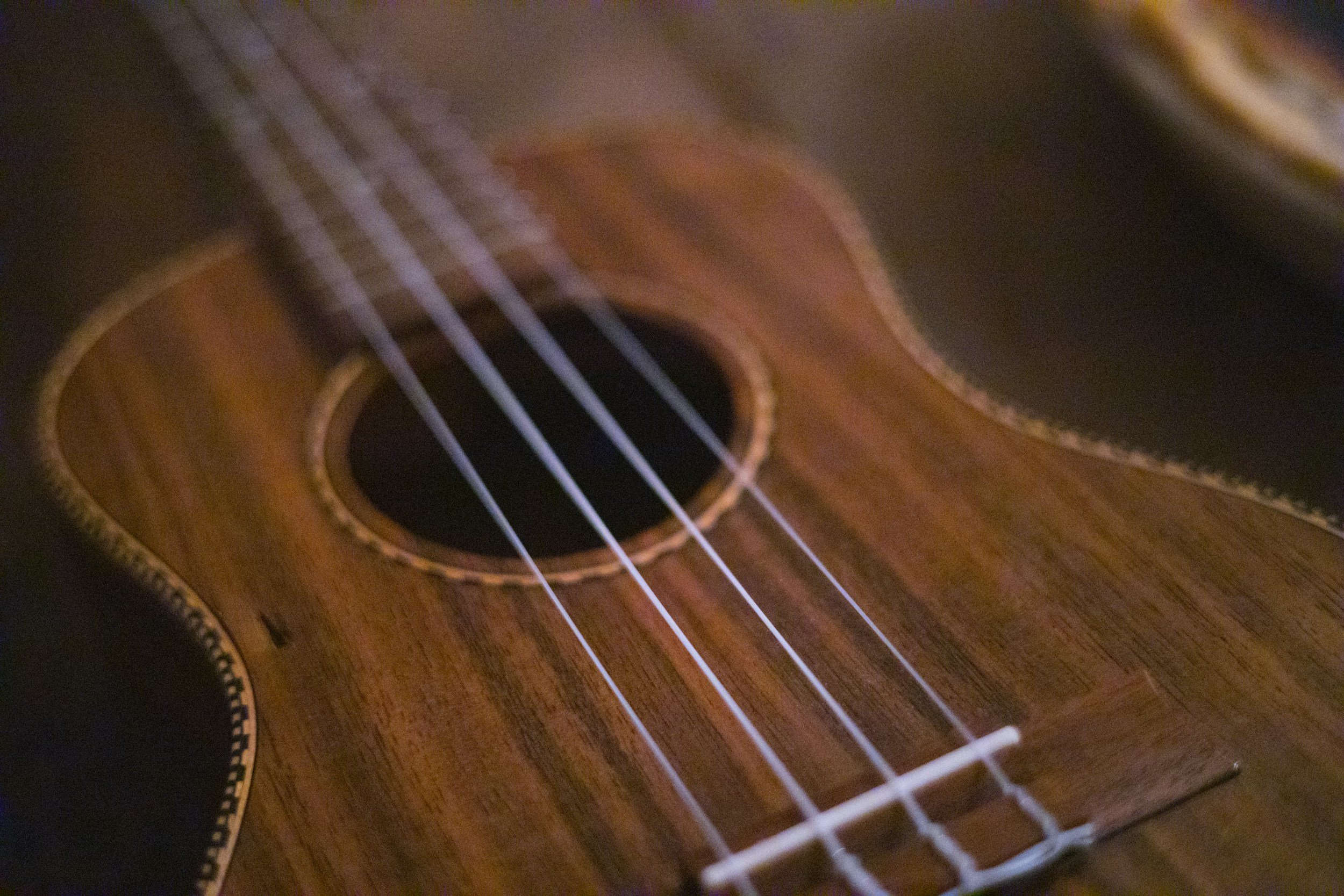
The ukelele, on the other hand, descends directly from Portuguese instruments. A lot of people compare it to the cavaquinho, which is similar. However, there’s also the lesser known “rajão”, a unique Madeiran instrument that is used on traditional folk songs. It’s so unknown that not even mainlanders will recognise it.
Yet it crossed two oceans with the Madeiran workers who went to Hawaii. There, three Madeiran cabinet makers improved it and made what’s considered the first ukelele in 1879. These three men were Manuel Nunes, Augusto Dias, and José do Espírito Santo.
Who knew you’d have to thank Bailinho da Madeira for so many joyful, beach songs?
The takeaway
Whenever I hear someone mention the “Portuguese in Hawai‘i”, I always want to add: yes, almost exclusively islanders. Not the postcard version of islands, either. The working version. The one where people left because the economy collapsed, and accepted backbreaking labour.
Yet they still found ways to sing, cook, celebrate, and raise families who keep those things going. So the next time you bite into a malasada or hear a ukulele on a beach, remember there’s a whole ocean of history behind it. It’s not just heritage. It’s endurance turned into culture: the way Madeirans have always done.